
Reviewed · HARARE TOURS
Harare City Tour & Zimbabwe Highlights
Harare’s story makes the most sense when you see both its formal center and its everyday edges. This tour moves from Africa Unity Square and government buildings to Mbare, the city’s oldest township, then out to the balancing rocks at Epworth and the hilltop paintings at Domboshawa.
I like the three-part view of Zimbabwean history, which gives you a useful frame for the rest of the day, and I like the contrast between Harare’s civic core and Mbare’s bus terminus and produce market. The main concern is value: at $128 per person, you still pay for lunch and some entrance fees, and access restrictions can lead to last-minute changes.
- Africa Unity Square gives you a quick orientation to Harare, Zimbabwe, and the country’s three branches of government.
- Mbare shows a more direct side of city life, with the nation’s largest bus terminus and fresh produce market.
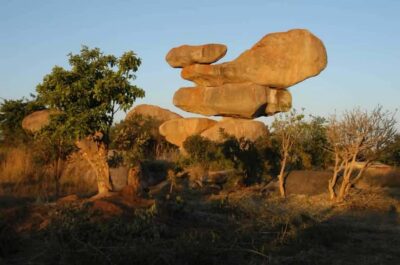
- Epworth’s balancing rocks provide unusual natural formations and views toward parts of Harare.
- Domboshawa Hill combines cave paintings, cultural interpretation, and a short hill walk.
- A private-feeling group size is possible, with no more than 15 people in the vehicle.
- Hotel pickup and bottled water are included, but lunch and entry fees are extra.
Harare’s civic center gives the day its context
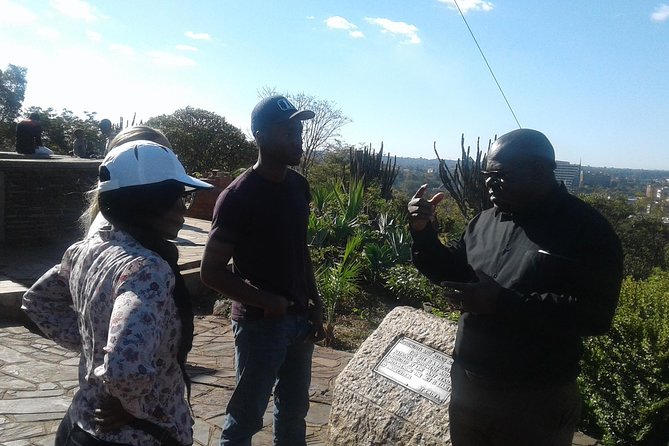
The day begins with a hotel-lobby meeting in Harare. That pickup is useful because it removes the need to find a separate meeting point in an unfamiliar city. From there, the first stop is Africa Unity Square, formerly Cecil Square.
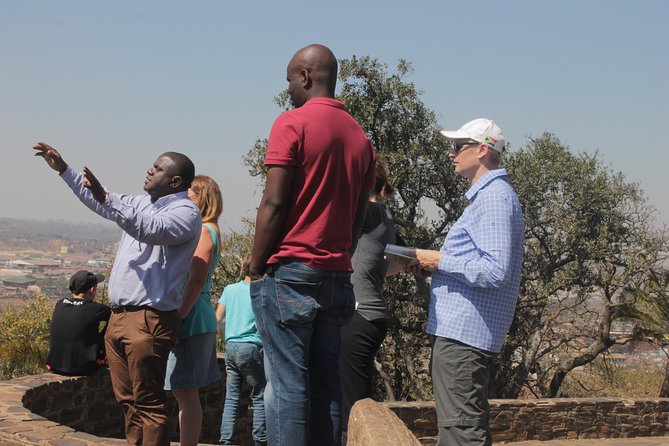
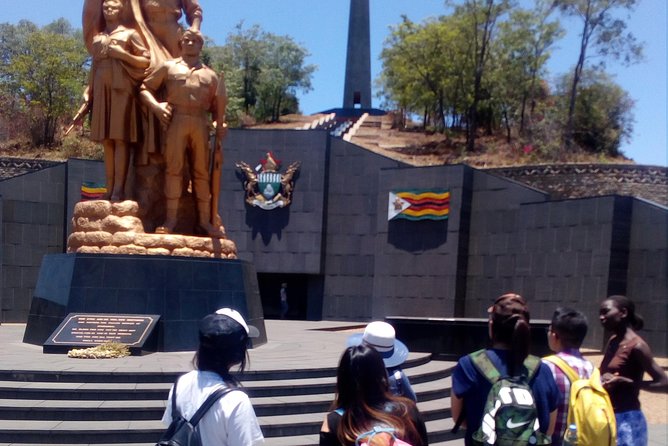
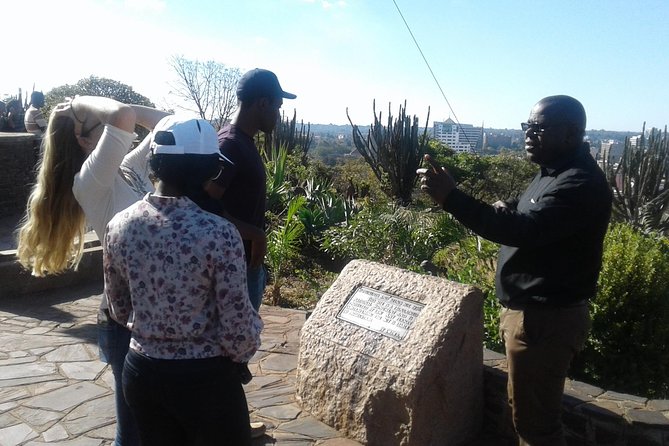
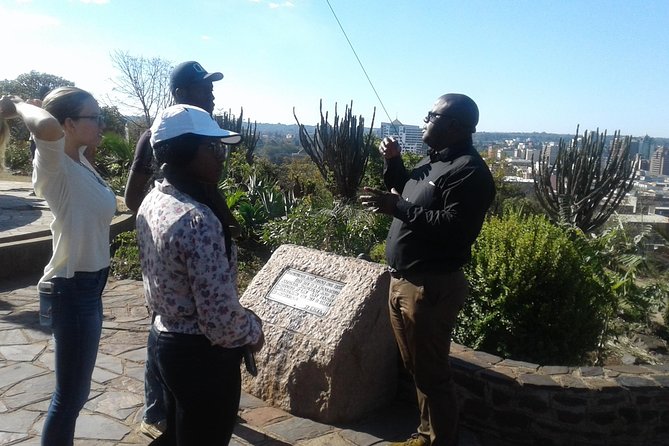
This is a sensible place to begin. Instead of treating Harare as a string of disconnected sights, the guide uses the square to explain how the capital works. You get an introduction to the judiciary, legislature, and executive branches, along with views of nearby civic buildings and the city’s oldest hotel.
The country’s past is explained in three broad phases: pre-colonial Zimbabwe, the colonial period, and the post-colonial era. I like this approach because it gives you a basic timeline before the day turns toward markets, townships, and rural sites. You are not simply looking at government buildings. You are learning why they matter and how the city developed around them.
The first section lasts about two hours, and there is no admission charge. The guide also discusses Zimbabwe’s religious variety and points out places of worship in and around the city. That makes this more than a photo stop. You get a short introduction to how public life, religion, and government fit together in Harare.
From the central business district, the vehicle passes Parliament, judiciary and executive buildings, the central bank, and the Kopje. The exact route can change because of security measures or access restrictions, so you should treat this portion as an informed city orientation rather than a guaranteed walk inside every building.
Mbare brings you closer to ordinary Harare
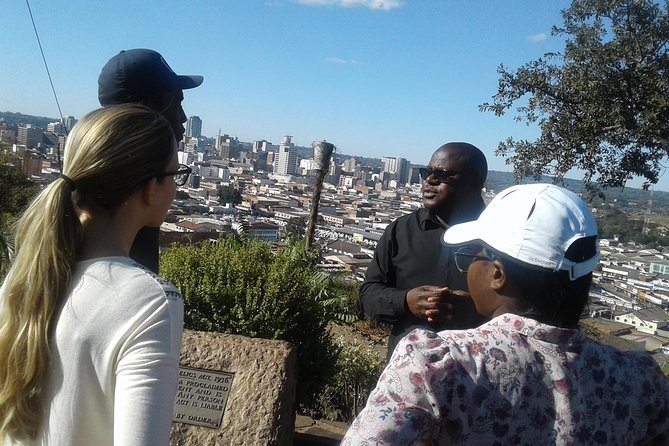
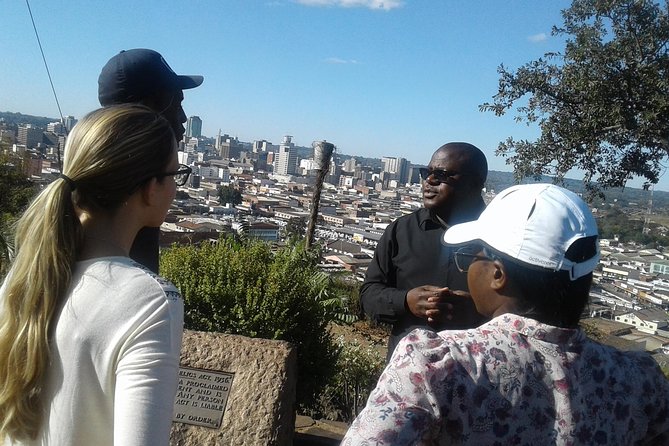
The move from the central business district to Mbare is one of the strongest parts of the day. Mbare is Harare’s oldest township and one of the oldest urban areas in Zimbabwe. It also connects the capital with the rest of the country.
The area is home to the country’s largest bus terminus and biggest local fresh produce market. That gives the stop practical importance. You are seeing where people travel, trade, shop, and connect with other parts of Zimbabwe, not just a polished central district.
Mbare may feel more intense than the quieter civic center. The market and transport hub bring noise, movement, and plenty to watch. If you prefer a tightly controlled sightseeing experience, this may feel less comfortable. If you want to understand how Harare functions beyond official buildings, it is essential.
Your guide’s role matters here. The setting can be hard to read on your own, while a local explanation can help you understand the difference between a formal capital and the places where much of its daily business happens. The tour description promises cultural and personal insight, and Mbare is where that promise has the best chance of becoming real.
Do not expect a long, leisurely market visit with every stall covered. The day also includes two sites outside the city, so the time here is part of a larger circuit. Still, the contrast with Africa Unity Square gives the whole tour a clearer shape.
More things to do in Harare:
- HARARE CITY TOUR ADVENTURES !!
★ 4.9 · 6 reviews - Great Zimbabwe Tour from Harare
★ 5.0 · 6 reviews - Harare: Half Day Outdoor Adventure
★ 4.8 · 5 reviews
Epworth’s balancing rocks add a memorable change of pace
After the city section, the tour heads to the Chiremba or Epworth Balancing Rocks. The admission fee is not included, so you should carry extra money for the entrance payment. The stop lasts about an hour.
The formations are the main attraction. You will see the Money Rock and Flying Boat formations, along with other large rocks that appear to rest in unlikely positions. These are the sort of sights that are easy to appreciate without a long lecture. The shapes are unusual, and the viewpoint offers a look toward parts of Harare.
This stop also changes the rhythm of the day. After government buildings, traffic routes, and the market district, the rocks offer open space and a more visual experience. You can take photographs, listen to the explanation, and enjoy a short break from the city.
The practical drawback is that the tour price does not cover the entrance fee. That is a small cost compared with the total price, but it matters because $128 is already a substantial charge for a one-day outing. The extra payment is also not clearly set in the supplied price, so ask the operator to confirm the current amount before departure.
The rock formations are not a full-day attraction on their own. One hour is a reasonable amount of time, especially because Domboshawa still lies ahead. I would see Epworth as a strong supporting stop, not the single reason to book the tour.
Domboshawa Hill combines nature, art, and local culture
After a lunch break, the route turns northeast toward Domboshawa Hill. Lunch is not included, so you pay for your own meal. The schedule places this stop after lunch and allows about two hours, giving you more time than at Epworth.
Domboshawa brings together several types of interest. You can see a bushman cave, painted rock art, and another balancing rock. The site also has an interpretative center, where the guide provides information about the area’s cultural background.
The hill requires going up and down, so this part is more active than the city orientation. The supplied information does not give a difficulty rating or specific walking distance. You should be comfortable with a hill walk and allow for uneven ground rather than expecting a purely vehicle-based visit.
I especially like the chance to ask questions during this stop. The guide is with you as you move around the hill, so the visit can become a conversation instead of a fixed speech. That is useful when you are looking at ancient paintings or cultural sites that may not explain themselves clearly.
The rock art is important because it connects the physical site with earlier human activity. The balancing rock links Domboshawa to Epworth, but the cave and paintings give this stop a different character. Epworth is mainly about striking formations and a city view. Domboshawa adds human marks, local interpretation, and a little walking.
The exact order and access can change. The operator has explained that security interventions and restrictions sometimes require changes to planned stops, with notice given when possible. If a particular site matters greatly to you, ask about access at the start of the day.
What the $128 price really covers
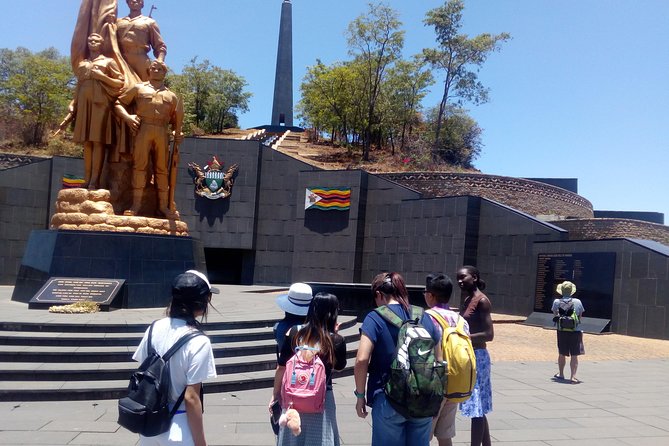
The cost is $128 per person for roughly one day. Included are hotel pickup, an air-conditioned vehicle, bottled water, and parking fees. A maximum group size of 15 keeps this from being a giant coach outing, though the actual group may be smaller or larger within that limit.
The price makes more sense if you value transport and a guide who can connect several sites in one day. Harare’s center, Mbare, Epworth, and Domboshawa are different kinds of places, and arranging that sequence independently would require transport planning and local knowledge.
Still, I would not call this a low-cost sightseeing day. You pay for lunch separately, and the Epworth entrance fee is extra. Other access charges may apply depending on the final route. One public score for the experience is 3.5 out of 5 from 14 ratings, which suggests a mixed record rather than a clear bargain.
The strongest praise has focused on the guide’s personal manner, cultural and historical explanations, and the thoughtful pre-tour briefing. One particularly memorable detail from the feedback was a first experience eating road food, suggesting that the guide may add local food context when circumstances allow. That is not a guaranteed feature, but it points to the value of asking questions and being open to a more personal exchange.
There is also a serious practical warning. One booking failed because the guide did not appear at the agreed time, reportedly due to booking emails not reaching the operator. The company apologized and said it was addressing the technical problem. I would confirm the pickup time and hotel details shortly before the tour, especially if your schedule is tight.
A few more Zimbabwe days to weigh up
- All Inclusive Bulawayo City and Township Tour
★ 5.0 · 5 reviews
How the day suits different kinds of visitors
This tour suits you if you want a broad first look at Harare rather than a single museum or monument. It gives you government, religion, transport, markets, rock formations, cave paintings, and a hill walk in one day.
It is particularly useful for first-time visitors who want context. The opening explanation of Zimbabwe’s past helps you understand later stops, while Mbare shows how the city works beyond its official center.
You may also like it if you prefer a guide-led day with hotel pickup. The air-conditioned vehicle matters in a long circuit, and bottled water is included. Parking is covered as well.
The tour is less suitable if you want a slow schedule. Four main sections plus driving and lunch make for a full day. It is also not ideal if you need every advertised stop guaranteed, since security restrictions can change access. People who dislike paying extra during a pricey day should budget for lunch and entrance fees in advance.
The group limit of 15 is helpful, but it does not promise a private tour. If you need a private vehicle or a specific guide, ask the operator before paying.
Simple ways to get more from the experience
Start with questions. Ask the guide to explain the colonial name Cecil Square, the role of the Kopje, and how Mbare connects Harare with the rest of the country. The more specific your questions, the more personal the day is likely to feel.
Carry money for lunch and entry fees. Bottled water and parking are included, but those two main extras are not. Confirm the expected entrance charge for Epworth and ask if any other stop has a direct payment.
Wear practical shoes for Domboshawa. The site includes movement up and down a hill, and the supplied details do not promise a flat or paved route.
Keep your schedule flexible. The operator says access restrictions can require changes, sometimes with little notice. A changed route does not automatically mean a poor day, but you should know that the plan is not completely fixed.
Finally, confirm your booking and pickup time. Confirmation is issued at booking, but the reported email problem makes a quick check worthwhile. This is especially important if you are leaving Harare that evening or have a flight to catch.
Should you book the Harare City Tour?
Book it if you want one guided day that explains Harare from several angles. The best parts are the contrast between Africa Unity Square and Mbare, the unusual Epworth rock formations, and the chance to discuss culture and cave paintings at Domboshawa.
Think twice if you are price-sensitive or want a tightly fixed schedule. At $128, the tour is only good value if you use the guide’s local context and the convenience of transport. Add money for lunch and entrance fees, and confirm the route and pickup before the day begins.
Free cancellation is available if you cancel at least 24 hours before the local start time. Poor weather can also lead to a different date or a full refund. For a first visit to Harare, I would consider booking it when you want orientation and variety more than a relaxed pace.
FAQ
How long does the Harare City Tour take?
The experience lasts approximately one day. The listed stops allow about two hours in central Harare, one hour at Epworth Balancing Rocks, and two hours at Domboshawa Hill, in addition to driving and lunch.
Is hotel pickup included?
Yes. The tour begins with a meet-and-greet in your hotel lobby in Harare.
Is lunch included in the price?
No. Lunch is not included, so you should budget separately for it.
Are entrance fees included?
No. Park entrance fees are paid directly to the supplier. The Epworth Balancing Rocks admission fee is specifically listed as not included.
How many people can join the tour?
The activity has a maximum of 15 travelers.
What happens if bad weather cancels the tour?
If poor weather causes cancellation, you will be offered another date or a full refund.
Just added around Zimbabwe
- Zimbabwe: Sundowner Cruise (Standard) Zambezi River★ 4.8 · 5 reviews
- Zambezi River: Kid-Friendly Whitewater Rafting★ 5.0 · 3 reviews
- Zambezi 3hr Game Drive★ 4.6 · 5 reviews
- Victoria Falls Village Cultural Tour – Authentic Experience★ 5.0 · 3 reviews
- Zambezi National Park Private Wildlife Safari (4 – 10 hours)★ 4.9 · 9 reviews
- Victoria Falls: Whitewater Rafting Experience★ 4.5 · 4 reviews
- Victoria Falls: Zambezi River White Water Rafting Experience★ 5.0 · 7 reviews
- Victoria Falls: Vulture Safari and Bush Walk★ 5.0 · 5 reviews
Harare Tours, compared.

MASVINGO; GREAT ZIMBABWE MONUMENT TOUR – FROM HARARE
Read our review →
Victoria Falls and Harare Airport Transfers and Car Rentals
Read our review →Browse the lists this tour appears in