
Reviewed · GREAT ZIMBABWE TOURS
Great Zimbabwe
Great Zimbabwe is not a pile of old stones. It is the remains of a major Shona city, built from dry-laid granite blocks and powerful enough to give the modern country its name. The Great Enclosure, hill complex, and valley ruins make this one of southern Africa’s most important archaeological sites.
I like the small group limit of eight, and I like that the day includes both the ruins and living Shona culture through Mbira music. The drawback is the road time: expect about four hours each way from some pickup points, with a 6:00 am start and roughly 12 hours on the clock.
Key points to know before booking
- A full day built around Great Zimbabwe: Plan on about 12 hours, including transport, meals, and guided sightseeing.
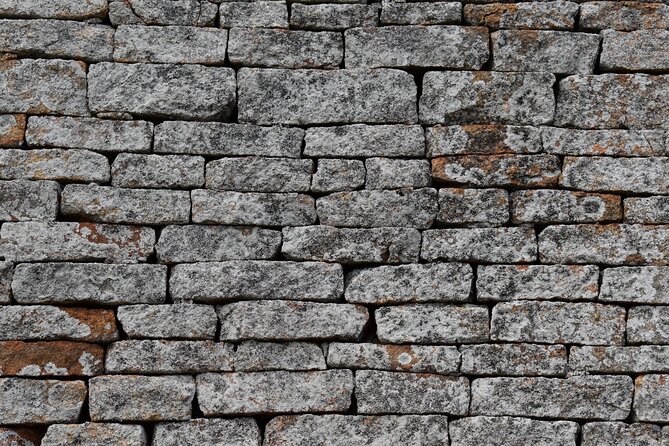
- Dry-stone architecture without mortar: The freestanding walls reveal remarkable building skill and careful design.
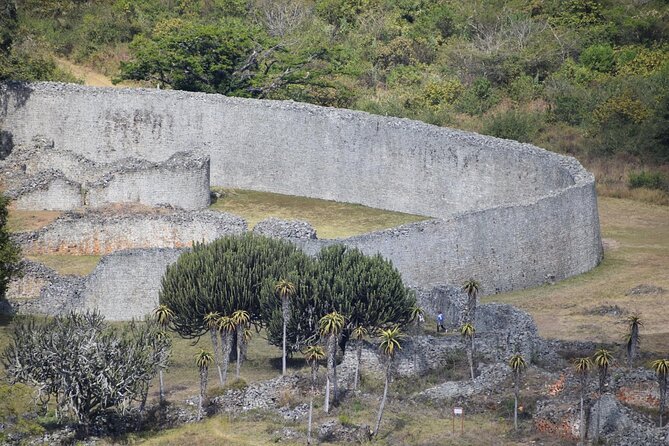
- The Great Enclosure is the star: Chevron patterns and enormous curved walls give the site its strongest visual impact.
- A small group keeps the visit personal: The maximum is eight people, and some departures may feel almost private.
- Meals are part of the plan: Breakfast or brunch arrives before the guided ruins visit, followed by a Zimbabwean lunch.
- Bring serious sun protection: Closed-toe shoes, a hat, sunglasses, sunscreen, and insect repellent are sensible essentials.
Why Great Zimbabwe deserves a full day
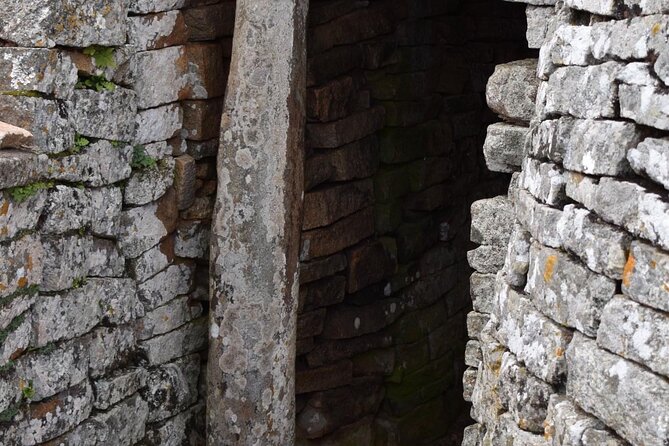
Great Zimbabwe was founded in the 9th century and became the center of a powerful African kingdom. Its builders, ancestral Shona people, used granite blocks without mortar to create walls, passages, platforms, and enclosures that have survived for centuries.
The scale is the first surprise. These are not small foundations tucked away in a field. The ruins spread across a hill, a valley, and the famous Great Enclosure. The masonry is carefully fitted, yet the walls remain free-standing. That combination of size and precision makes the site easy to appreciate even if you are not an archaeology specialist.
I also like the meaning built into the stonework. Chevron patterns appear on parts of the walls, with links to fertility and symbolism. The site is not only about engineering. It also gives you a way to think about belief, leadership, trade, family life, and the organization of an old kingdom.
The visit works best when you give the ruins time. A quick photo stop would miss the point. You need the guide’s explanation to connect the scattered walls with the city that once occupied this ground.
More trips to Great Zimbabwe:
- Great Zimbabwe Tour from Harare
★ 5.0 · 6 reviews - MASVINGO; GREAT ZIMBABWE MONUMENT TOUR – FROM HARARE
★ 5.0 · 4 reviews - Great Zimbabwe: The World’s View Historical Site !!
★ 5.0 · 4 reviews
The 6:00 am start and long road
The day begins early, with pickup at 6:00 am. That start is practical rather than glamorous, since the drive can take about four to four and a half hours each way, depending on the pickup location. From Bulawayo, the journey is especially long, but the site is still reachable as a day trip.
A long transfer is the main issue to weigh before paying $260 per person. You are giving up much of a day to transport, and the return drive can feel tiring after walking in the sun. On the other hand, the arrangement saves you from planning separate transport, navigating the route, and organizing meals at the site.
The small group size helps here. With a maximum of eight people, the vehicle should feel less crowded than a large coach. One reported departure had just two people, with the driver-guide able to explain the plan and adjust to the pace of the day.
Guides can vary, but Blessing is one name connected with this experience. He collected his guests from their hotel, explained the day’s schedule, and handled both the drive and guiding duties. A guide who communicates clearly matters on a long outing like this, since the road time takes up a large share of your day.
Use the ride as part of the experience, but be realistic. This is not the right choice if you want a short, easy excursion. It suits you if Great Zimbabwe is a priority and you are willing to spend most of a day reaching it.
Breakfast before the stones
Breakfast is provided when you arrive, and some departures describe it as more of a late breakfast or brunch. This is useful after the early start and long drive. It also means you do not need to depend on finding food during the transfer.
The meal is a practical feature, not a reason to book the trip by itself. Still, it improves the rhythm of the day. You can eat before the main walking portion instead of beginning the ruins visit hungry.
Bring water and personal snacks if you normally need food at set times. The supplied details confirm breakfast and lunch, but they do not give a full menu or explain every refreshment stop. It is wise to arrive prepared for a long day outdoors.
Entering the Great Enclosure
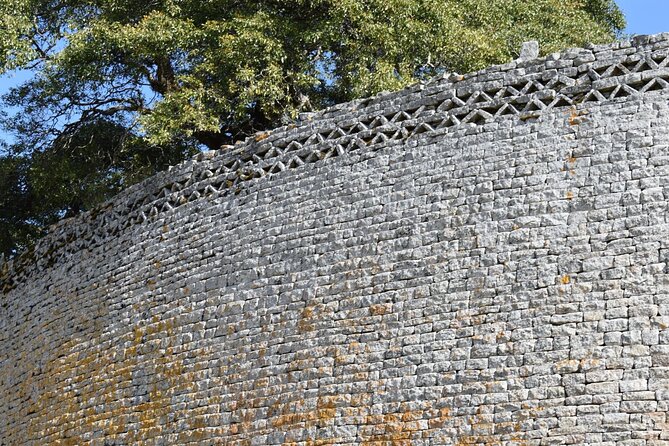
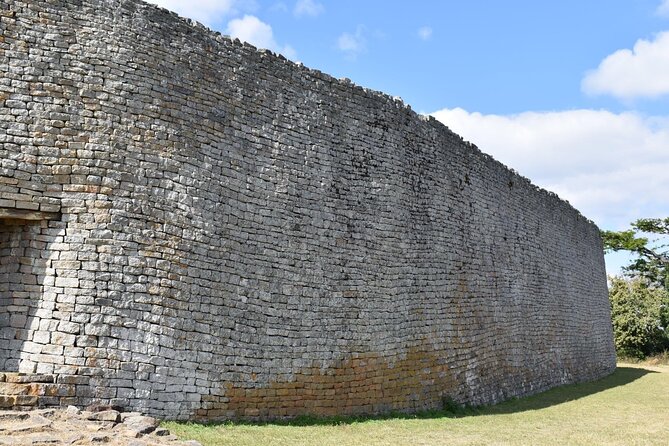
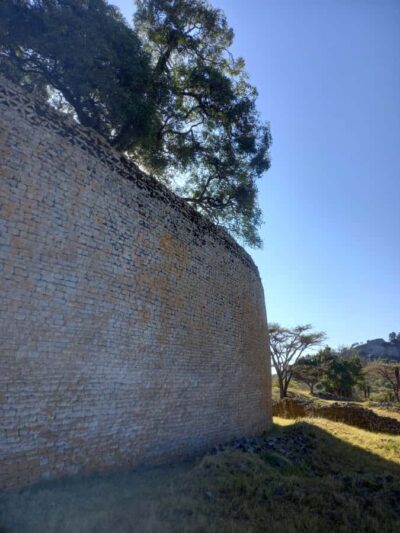
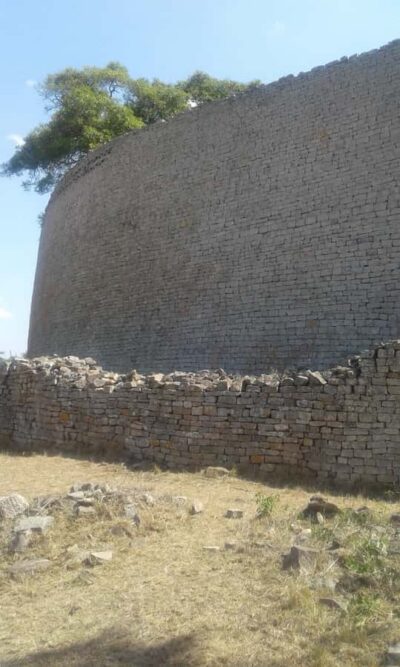
The Great Enclosure is the most striking part of Great Zimbabwe. Its broad curved walls show how much work went into shaping a ceremonial and social center from local stone. The famous chevron patterns add visual detail to surfaces that might otherwise seem plain from a distance.
As you walk beside the walls, look for the difference between scale and decoration. Some sections impress because they are massive. Others reward a closer look at the repeated stonework and patterning. The guide’s explanation helps you understand why these details mattered.
The walls were built without mortar, which makes their survival even more impressive. They are not simply stacked rubble. The builders selected and placed blocks with care, creating stable structures that still define the site.
You may have much of the attraction to yourself, particularly at quieter times. That can change how you experience the enclosure. Instead of moving in a crowd, you can pause, listen, and take in the curves of the stonework without constant noise around you.
There is little need to rush through this section. Take photographs, but spend time looking at the wall surfaces and the way the enclosure sits within the wider group of ruins. The best part of Great Zimbabwe is the sense that the city was designed as a complete place, not built as isolated monuments.
Same base, a completely different kind of day:
- Helicopter Scenic Flight over Victoria Falls 12-13 minutes Flight
★ 5.0 · 1,391 reviews - Victoria Falls: Dinner Cruise on the Zambezi River
★ 4.9 · 925 reviews - Victoria Falls: Chobe National Park Day Trip with Lunch
★ 4.7 · 518 reviews - Dinner Cruise on the Zambezi River
★ 5.0 · 518 reviews
Climbing toward the hill complex
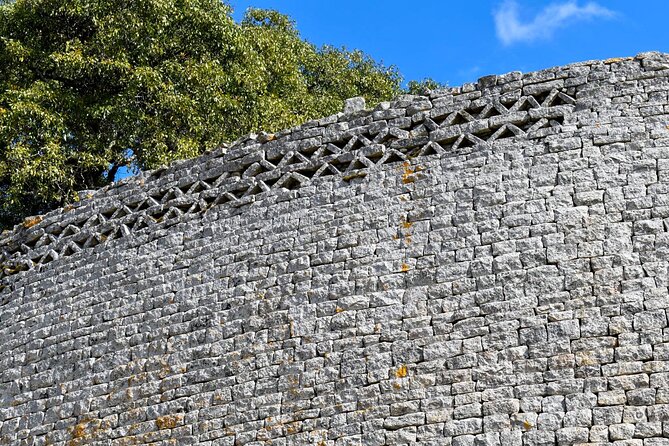
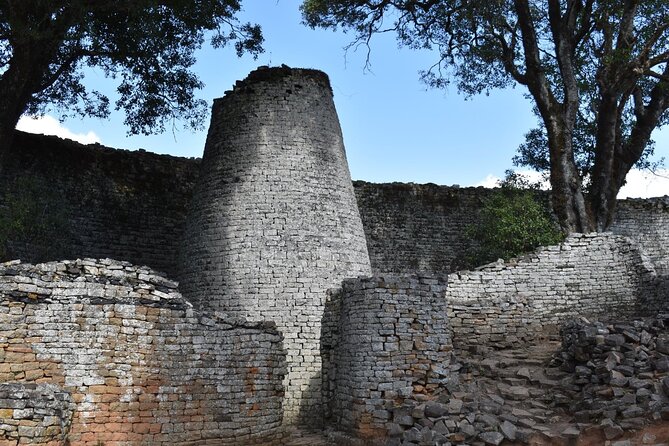
The hill complex adds a different feel to the visit. Here, the ruins show how the city used higher ground, with stone walls and structures spread across the rocky hill.
The walking can be uneven, so closed-toe shoes are important. The advice to bring sturdy footwear is not decorative packing guidance. It is useful protection on stone and dirt paths, especially if the weather has been wet.
A hat, sunglasses, and sunscreen are just as important. One departure took place on a hot day, and the site offers limited relief from strong sun. A light jacket can also be useful in cooler conditions or during the early morning portion of the drive.
The hill complex rewards patience. You may find that the meaning of the site becomes clearer when you view the enclosures together rather than focusing on one wall at a time. Your guide can explain how the hill, valley, and Great Enclosure fit into the old city.
Do not expect a polished indoor attraction. Great Zimbabwe is an outdoor archaeological site, and its appeal comes from the open setting, the stonework, and the imagination required to picture the original city.
The valley ruins and the shape of an ancient city
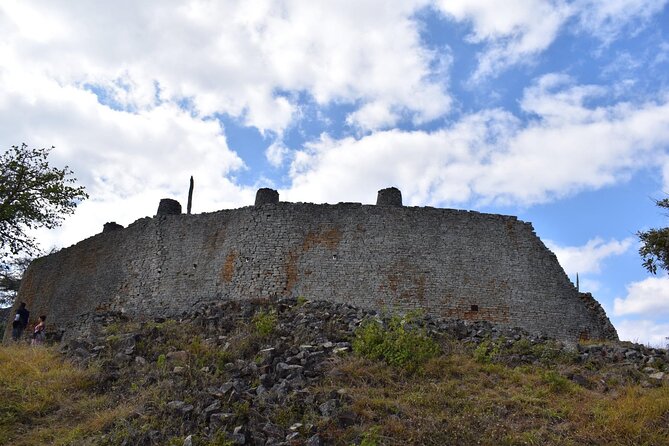
The valley ruins help complete the picture. They show that Great Zimbabwe was more than a ceremonial enclosure or royal residence. The city covered several areas, with structures and walls spread through the valley below the hill.
This is where a guided explanation has real value. Without context, a low wall can look like a random line of stone. With the story of the city and its people, the ruins become part of a larger plan.
The site also helps correct the old habit of treating major African achievements as mysteries without human builders. Great Zimbabwe reflects the skill, resources, and political power of the Shona people who created it. Its size points to a strong state and a culture capable of organizing major construction.
The ruins are often described as second only to Egypt’s pyramids in size. That comparison gives you a rough sense of their importance, but the experience is different from visiting a single monumental tomb. Here, you move through a city spread across several zones, with walls that guide you from one part to another.
Zimbabwe’s bird sculptures and the small museum
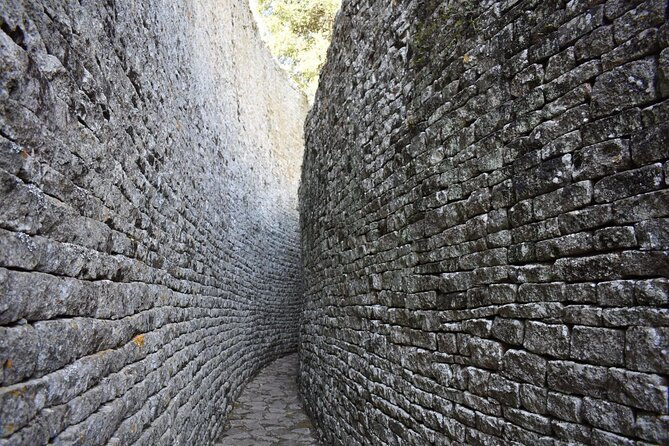
The museum holds original stone carvings of Zimbabwean birds. These sculptures are among the best-known symbols associated with Great Zimbabwe and give you a closer look at the artistic side of the site.
The museum is small, so do not expect a large collection or a long indoor visit. Its value comes from the objects themselves and the chance to see original carvings after walking among the ruins. The displays can help connect the physical city with the symbols and beliefs of the people who made it.
I would treat the museum as an important supporting stop rather than the main event. The walls and enclosures are the reason to make the journey. The bird carvings add meaning and help round out the visit.
A Zimbabwean lunch after the ruins
After the walking and explanations, you receive a hearty Zimbabwean lunch. That timing makes sense. By then, you have spent hours outdoors, and a proper meal is welcome.
The information available does not specify the exact dishes, so you should not book this expecting a particular menu. What you can count on is that lunch is included as part of the day’s plan.
Food also gives the outing a local touch. Great Zimbabwe is not only an archaeological stop separated from modern life. A meal helps place the site within present-day Zimbabwe and gives you a chance to slow down before the cultural village portion.
If you have dietary needs, confirm them when booking. The tour information does not spell out special meal options.
Mbira music at the cultural village
The cultural village introduces Mbira music, an important part of Shona life used for communication with higher spirits. This is a valuable addition because it moves the day beyond ancient walls and toward a living cultural tradition.
You are not simply looking at a vanished kingdom. You are also hearing an instrument connected with spiritual and social life today. The music gives the visit a human dimension that photographs and masonry cannot provide.
Keep your expectations grounded. The details do not promise a long concert, a large performance, or a hands-on lesson. Think of it as a cultural encounter included after the archaeological tour.
This part may be especially useful if you want a fuller view of Zimbabwean heritage. The ruins explain the old city, while the Mbira tradition shows that culture is not locked in the past.
Is $260 good value?
At $260 per person, this is not a cheap day trip. The value depends heavily on your starting point and how much you would otherwise spend arranging transport, meals, a guide, and admission-related logistics on your own.
The price covers a very long day, hotel pickup, a guided visit, breakfast or brunch, lunch, and a small-group setting. If you are traveling alone or as a couple, the chance of having only a few people in the vehicle can make the service feel more personal.
The biggest cost is time. If you are already near Great Zimbabwe, the price may feel easier to justify. If you are coming from farther away, you are paying for access to a major national site that would otherwise require more planning.
I would compare this with the cost and hassle of private transport, fuel, meals, and arranging a guide independently. For a first visit, the convenience has real value. For budget-minded people who can organize their own transport, it may feel expensive.
The average booking point is about 21 days ahead. That suggests you should not leave it until the last minute if Great Zimbabwe is central to your plans, particularly if you need a certain date or pickup arrangement.
Who should book this experience?
I would recommend it to anyone who places Great Zimbabwe near the top of a Zimbabwe itinerary. It is also a good fit if you want a guide to explain the symbolism, construction, and role of the site rather than simply walking around on your own.
It suits people who prefer small groups, cultural context, and an all-day outing with meals included. The maximum group size of eight is a strong advantage for anyone who dislikes coach tours.
It is less suitable if you have limited time, dislike long road journeys, or want a relaxed half-day activity. The walking is manageable for most people, but the uneven outdoor ground, heat, and long transport make basic fitness and preparation useful.
Service animals are allowed, most people can participate, and the activity is near public transportation. The tour requires good weather. If poor weather causes cancellation, you are offered another date or a full refund.
Free cancellation is available until 24 hours before the start time. After that point, the amount paid is not refunded, and changes are not accepted.
My call on Great Zimbabwe
Book this if you want to understand why Great Zimbabwe matters, not just photograph it. The combination of the Great Enclosure, hill complex, valley ruins, bird carvings, Zimbabwean food, and Mbira music gives you a fuller day than a simple ruins visit.
The long drive is the clear tradeoff. Still, if you are prepared for an early start, strong sun, and a full 12-hour outing, this is one of the most meaningful heritage trips you can make in Zimbabwe. Pack solid shoes, protect yourself from the sun, and let the guide give the stones their proper scale and story.
FAQ
Where does the Great Zimbabwe tour take place?
The experience takes place at Great Zimbabwe in Zimbabwe, a UNESCO World Heritage Site with a Great Enclosure, hill complex, valley ruins, museum, and cultural village.
What time does the tour start?
Pickup starts at 6:00 am.
How long does the experience last?
The tour lasts approximately 12 hours.
How many people can join the tour?
The maximum group size is eight people.
Is hotel pickup available?
Yes. Pickup is offered as part of the experience.
Are meals included?
Breakfast or late breakfast is provided before the guided ruins visit, and a Zimbabwean lunch is included later in the day.
What should I bring?
Bring closed-toe walking shoes, a hat, sunglasses, sunscreen, and insect repellent.
Can I cancel for a full refund?
Yes. You can cancel at least 24 hours before the start time for a full refund. Cancellations made less than 24 hours before the start time are not refunded.
Just added around Zimbabwe
- Zimbabwe: Sundowner Cruise (Standard) Zambezi River★ 4.8 · 5 reviews
- Zambezi River: Kid-Friendly Whitewater Rafting★ 5.0 · 3 reviews
- Zambezi 3hr Game Drive★ 4.6 · 5 reviews
- Victoria Falls Village Cultural Tour – Authentic Experience★ 5.0 · 3 reviews
- Zambezi National Park Private Wildlife Safari (4 – 10 hours)★ 4.9 · 9 reviews
- Victoria Falls: Whitewater Rafting Experience★ 4.5 · 4 reviews
- Victoria Falls: Zambezi River White Water Rafting Experience★ 5.0 · 7 reviews
- Victoria Falls: Village Life Experience★ 4.7 · 6 reviews
Great Zimbabwe Tours, compared.
MASVINGO; GREAT ZIMBABWE MONUMENT TOUR – FROM HARARE
Read our review →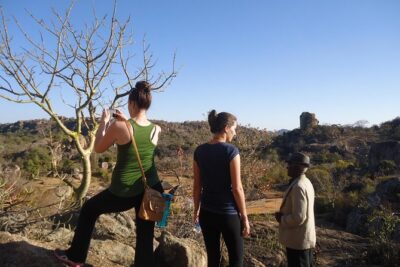
Great Zimbabwe Ruins Tour from Bulawayo with Picnic Lunch !
Read our review →Browse the lists this tour appears in