
Reviewed · WILDLIFE ENCOUNTERS
Victoria Falls: Elecrew Through The Eyes Of An Elephant
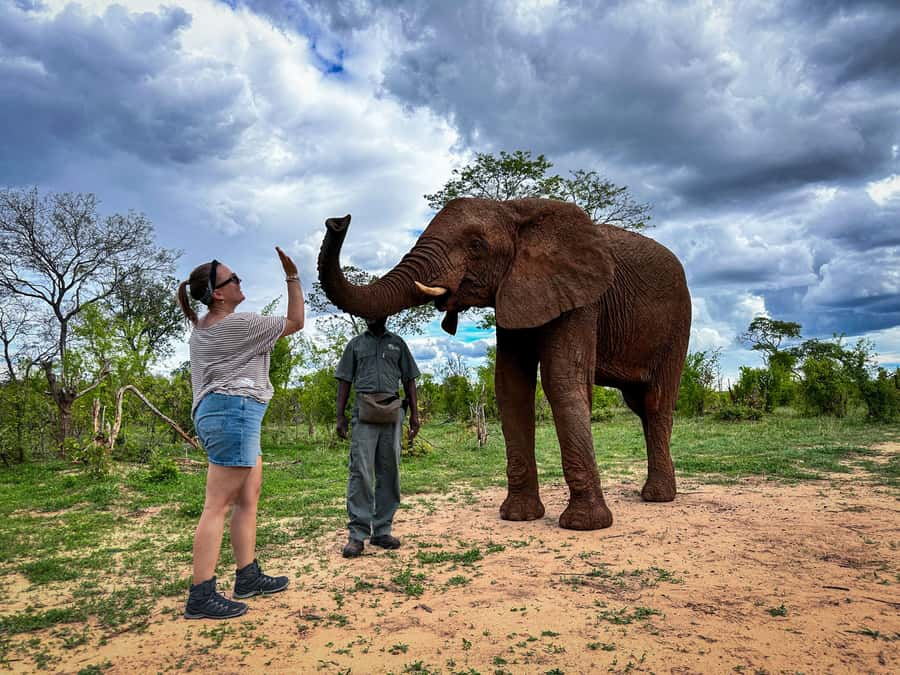
Victoria Falls has elephants beyond the national parks, sometimes moving through rural villages and urban areas. At Jafuta Lodge, EleCREW puts that difficult relationship at the center of the experience, combining a close look at its ambassador herd with practical lessons about elephant behavior, rescue, and coexistence. The encounter is calm and educational rather than a staged wildlife show.
I like two things right away: your $148 fee helps fund a registered nonprofit, and the two-hour visit gives you time to watch elephants play, browse, and interact instead of rushing through a photo stop. I also like the clear welfare focus, including independent auditing and Our Elephants Thrive compliance. The main drawback is that this is a managed herd, not a wild encounter, so anyone seeking a traditional safari should choose a different activity.
Key points
- A close look at nine rescued elephants: The ambassador herd includes elephants affected by poaching, drought, culling risk, or long-term human care.
- Elephant behavior comes first: Learn about their social lives, senses, intelligence, emotions, and communication before meeting them.
- A conservation lesson with local stakes: EleCREW explains projects designed to reduce conflict between elephants and rural or urban communities.
- A short, easy outing from Victoria Falls: Transfers take roughly 15 to 25 minutes each way, with two hours at Jafuta Lodge.
- Children under 10 can interact but not walk: Families should understand this rule before booking.
- Refreshments are included: Morning visits include tea, coffee, soft drinks, water, and a muffin. Afternoon visits add alcoholic drinks and bar snacks.
Why this elephant experience feels different
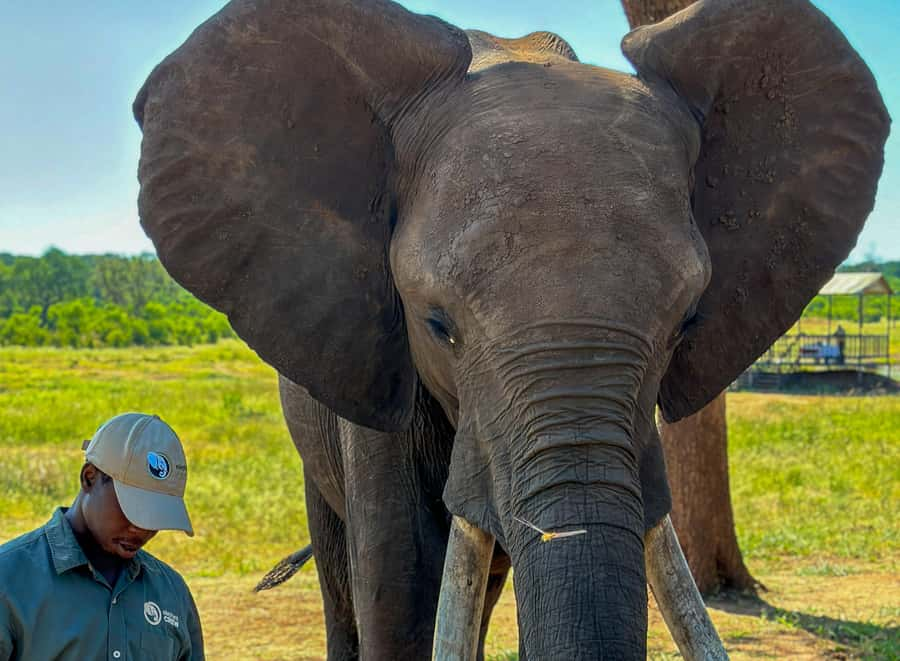
Many wildlife activities use elephants as a backdrop for photographs. EleCREW reverses that order. You first learn why elephants behave as they do, then meet the animals with more context and fewer cartoon ideas about their lives.
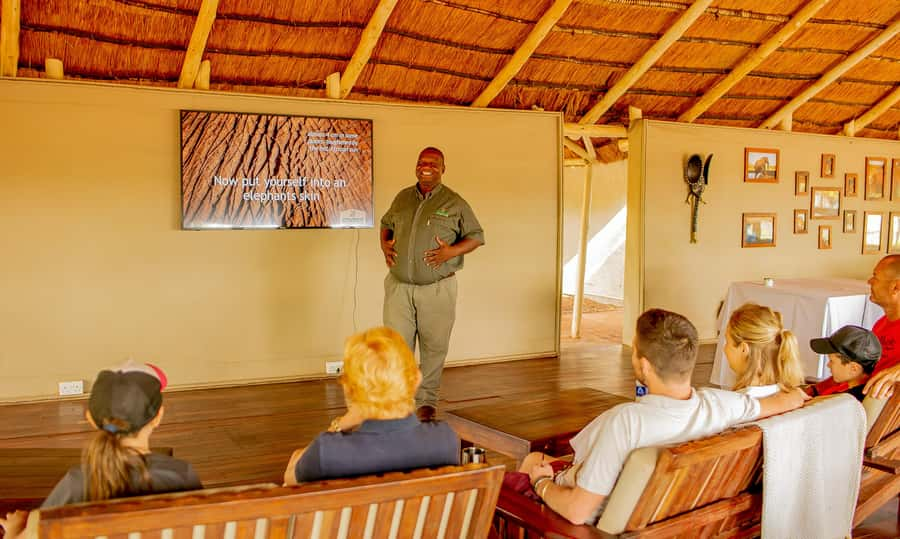
The program is called Through the Eyes of an Elephant, and that title points to its main purpose. You explore how elephants see, hear, smell, and feel their surroundings. You also learn about memory, social bonds, emotions, and the way a herd functions.
That matters because an elephant encounter can otherwise become a quick thrill: stand near a large animal, take a picture, and leave. Here, the photo is only one part of the visit. The larger lesson is that elephants are thinking, social animals whose needs do not fit neatly beside expanding human settlements.
I especially appreciate the focus on Victoria Falls itself. The area has a large elephant population, and those animals are not confined to protected parks. When elephants cross into farmland, villages, or town spaces, the problem becomes personal for the people living there. EleCREW’s work looks at that shared space instead of treating conservation as something that happens far away.
More close-up animal encounters near Victoria Falls:
- Lion & Wildlife Sanctuary Excursion Victoria Falls
★ 4.5 · 31 reviews - Baobab-Sunrise-Sunset-Vulture-Moonlight Safaris, 4 Options
★ 5.0 · 18 reviews - Moments with Elephants
★ 4.5 · 7 reviews
The short drive from Victoria Falls
Your pickup begins in Victoria Falls, followed by a transfer to Jafuta Lodge in a private game reserve. The published timing gives about 15 minutes each way, while the transfer description allows roughly 25 minutes from the town center. Plan on a short drive, not a full-day outing.
That compact schedule is useful if you have only a few days in Victoria Falls. You can fit this experience around a morning at the falls, a sunset activity, or another half-day booking. It also means the program is focused. You will not spend hours on rough roads hoping to find an animal.
The tradeoff is simple: this is not a broad game drive. You are going to one place to meet one ambassador herd and learn from the people who care for it. If you want lions, buffalo, or a long search for wild elephants, this will feel too narrow. If you want a careful introduction to elephant welfare and conflict, the short transfer works in your favor.
Arrival at Jafuta Lodge and the safety briefing
At the lodge, the experience begins with introductions, a safety talk, and an explanation of how to behave around the elephants. That briefing is not filler. It sets the tone for a close encounter with animals that are powerful even when they appear relaxed.
The experienced carers introduce you to the herd and explain the boundaries of the interaction. You should listen closely, keep your movements measured, and follow instructions rather than treating the elephants like oversized domestic animals.
The safety briefing also helps you read what is happening. An elephant browsing, touching another elephant, or shifting position may be showing comfort, curiosity, irritation, or simple preference. Understanding those signals makes the visit more interesting and helps keep the interaction respectful.
Children under 10 may take part in the interaction, but they do not join the walk. That rule is important for families. A child can still meet the elephants and take part in the educational side, but the walking portion is reserved for older participants.
Meeting the ambassador herd
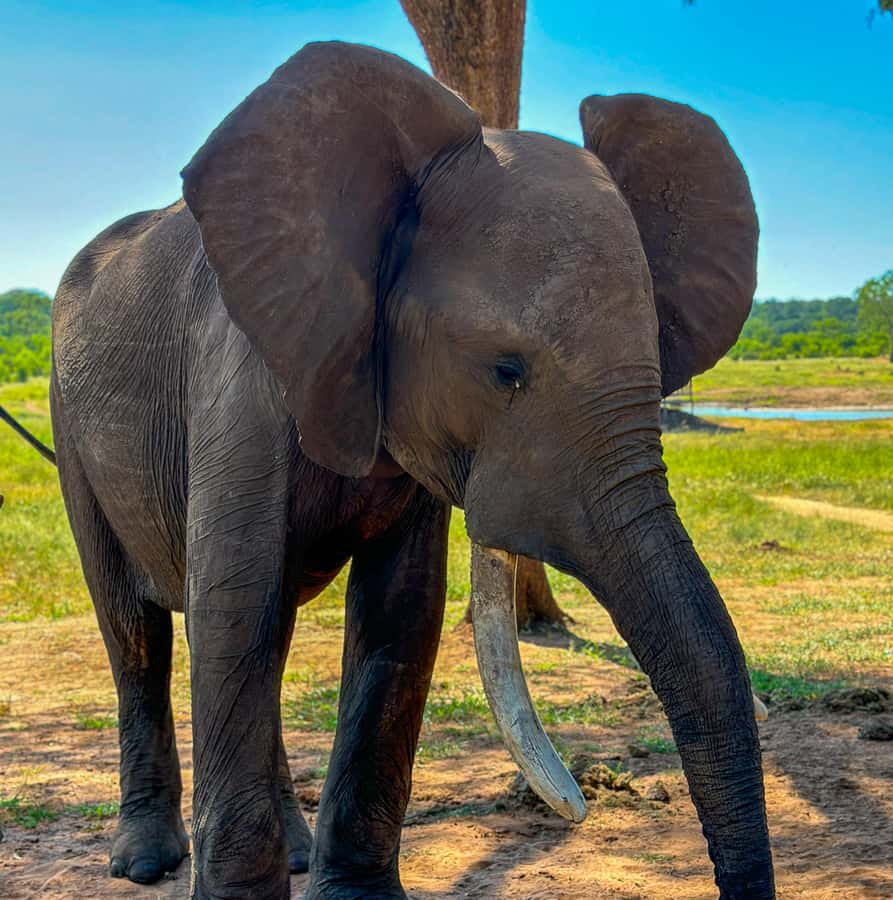
The central part of the visit is time with EleCREW’s ambassador herd. The elephants are not presented as circus performers. The aim is to let you watch their natural social behavior within a protected, managed setting.
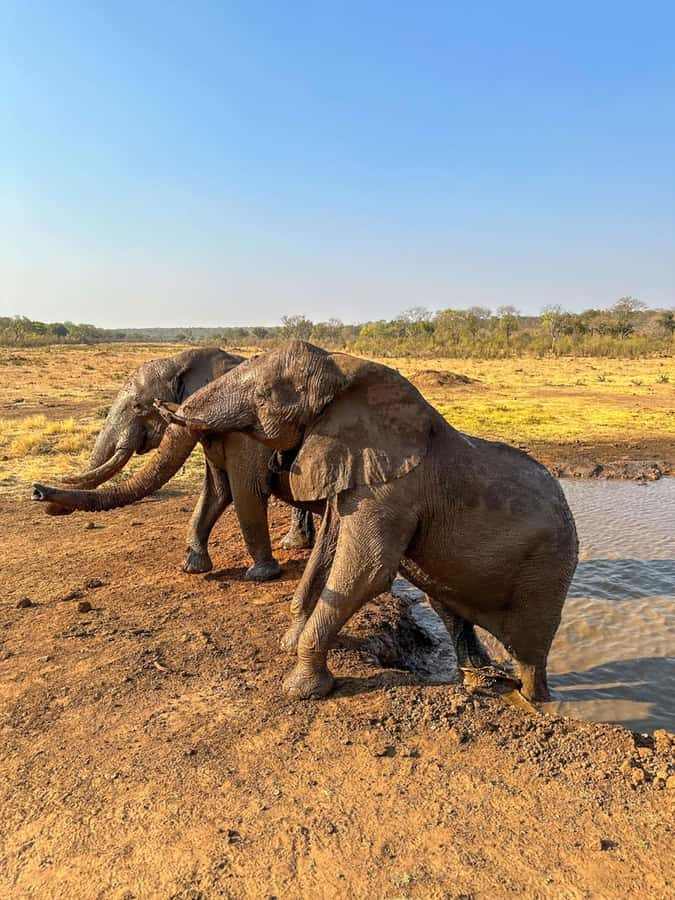
You may see them playing, browsing, and interacting with one another near the waterhole. Those ordinary actions are the point. You get to see how size, age, temperament, and herd relationships shape the scene.
The herd has nine elephants, according to the information provided for the program. Their backgrounds are part of the lesson. Some were rescued from the effects of poaching in the 1980s, while others were left behind during drought conditions. Weak elephant calves may be taken in by people as pets, then become too large and difficult to manage. When elephants have spent too long around humans, returning them to the wild may not be possible.
That history gives the encounter a serious edge. These are not simply elephants brought in for entertainment. They are animals whose past circumstances made a life in the wild difficult or unsafe. EleCREW provides a herd setting in a private reserve, aiming to let them live as naturally as possible within the limits of their history.
You should still keep your expectations realistic. A rescued elephant’s life in a managed reserve is not the same as life in a wild herd. The value here is seeing how a responsible care program can offer a safe, social life while helping you understand why rescue and rehabilitation decisions are complicated.
A few more Victoria Falls days to weigh up
- Helicopter Scenic Flight over Victoria Falls 12-13 minutes Flight
★ 5.0 · 1,391 reviews - Victoria Falls: Dinner Cruise on the Zambezi River
★ 4.9 · 925 reviews - Dinner Cruise on the Zambezi River
★ 5.0 · 518 reviews - Victoria Falls: Chobe National Park Day Trip with Lunch
★ 4.7 · 518 reviews
Learning how elephants experience the world
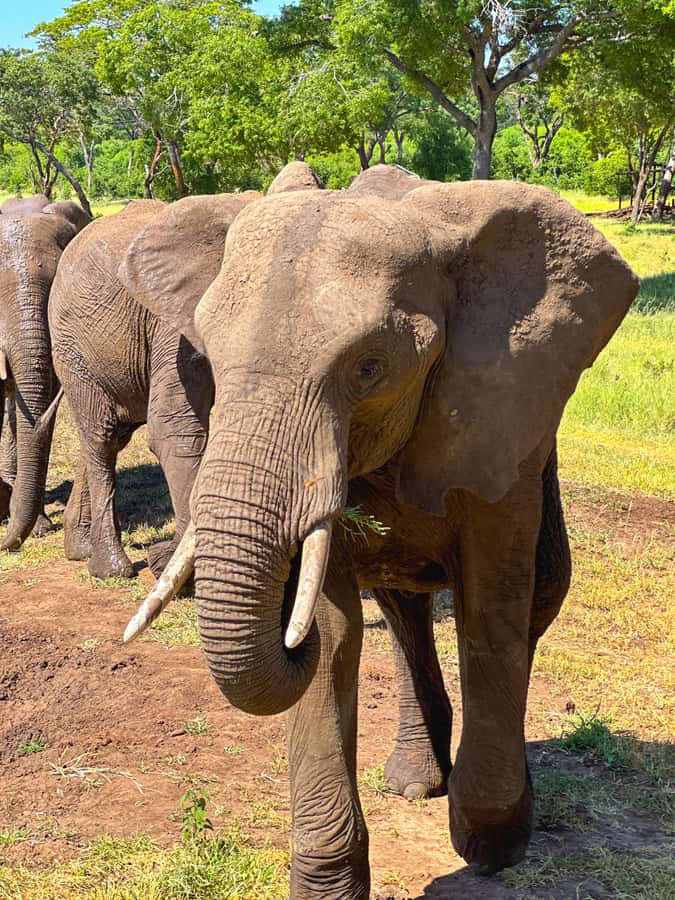
The presentation looks at the elephant mind and body from several angles. You learn how elephants use their senses and how those abilities help them move through their surroundings.
Their social structure is another major theme. Elephants depend on relationships, and the herd setting lets you watch those relationships rather than hearing about them only in a classroom. Pay attention to who stays close, how individuals respond to one another, and how the group moves and settles.
The program also covers intelligence and emotion. That is more useful than simply calling elephants smart or gentle. You begin to consider what stress, loss, isolation, and social contact can mean for an elephant over time.
This part is especially valuable if you are bringing children. Young visitors often remember the size of the animal first. The presentation gives them a better question to take home: what does an elephant need to live well?
Conservation beyond the reserve
EleCREW’s work reaches beyond the ambassador herd. Its name refers to community, research, education, and welfare, four areas that fit together in the elephant-human conflict.
The community side is vital. Elephants may have the right of way in national parks, but outside those boundaries they can damage crops, threaten property, or create fear. Local people cannot be asked to tolerate repeated losses without practical help. Conservation succeeds only when the people living alongside elephants have a reason to support it.
During the presentation, you learn about projects designed to help communities coexist with rural and urban elephants. The supplied information does not list every project or promise one fixed solution, so you should think of this as an introduction to the work rather than a full field course.
Research partnerships and education also matter. Better information can guide welfare decisions, while public education can replace easy myths with a clearer picture of elephant behavior. The program connects your personal encounter to those wider efforts.
Your admission helps fund the nonprofit’s work. EleCREW also accepts donations onsite and through its online channels. You are not required to treat the visit as a fundraising event, but if the mission matters to you, this is a direct way to support it.
The waterhole pause and photo opportunity
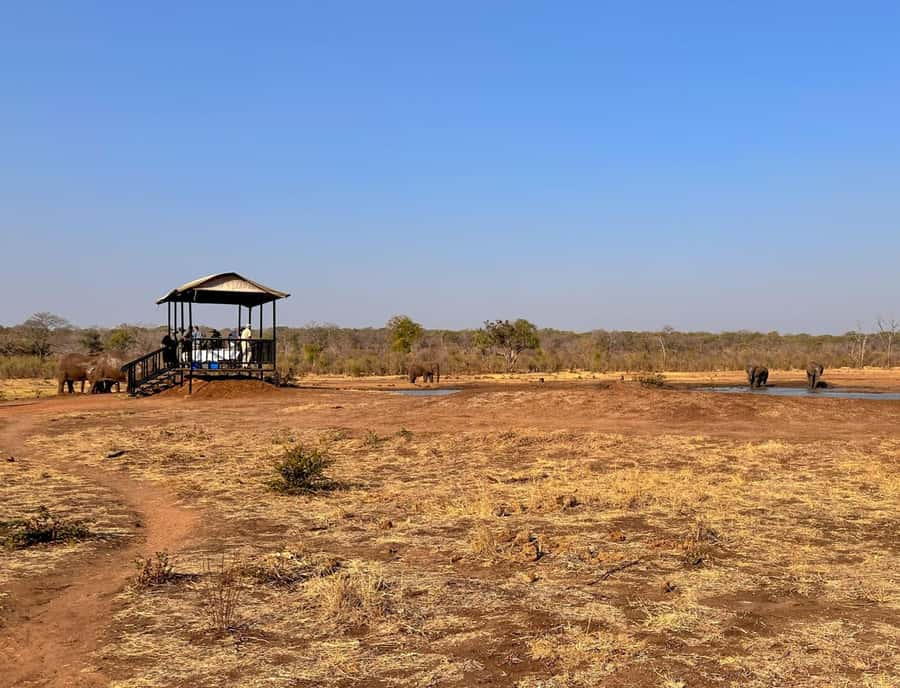
Refreshments are served at the waterhole while you watch the elephants. Morning departures include tea, coffee, soft drinks, water, and a muffin. Afternoon departures include alcoholic drinks, soft drinks, water, and bar snacks.
This pause gives the outing a useful rhythm. You are not constantly walking, listening, or posing. You can sit back and observe the herd at a slower pace, which is often when the most revealing behavior appears.
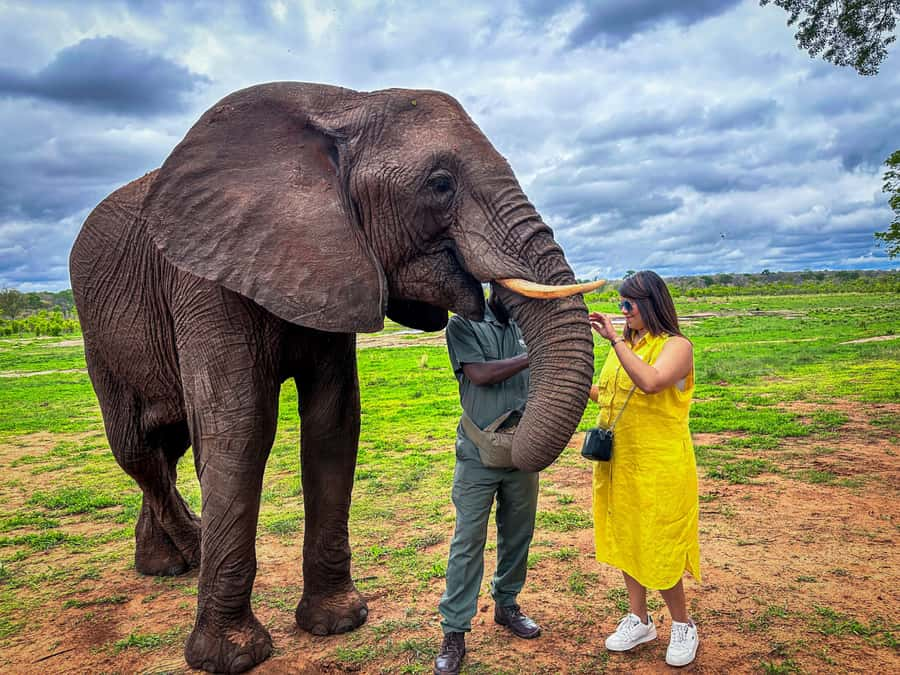
A photo opportunity with the elephants and their carers is included. Keep the emphasis on the animal rather than on getting the closest possible picture. The best photograph may show the relationship between the carers and the herd, or an elephant interacting with another elephant, rather than a forced portrait.
The refreshments also help explain the two-and-a-half-hour duration. You receive an educational presentation, safety briefing, interaction, walk for eligible participants, and a quiet viewing period in one compact visit. It is short enough for most schedules but not so short that the elephant encounter feels like a quick handoff.
Welfare and the question of ethical elephant tourism
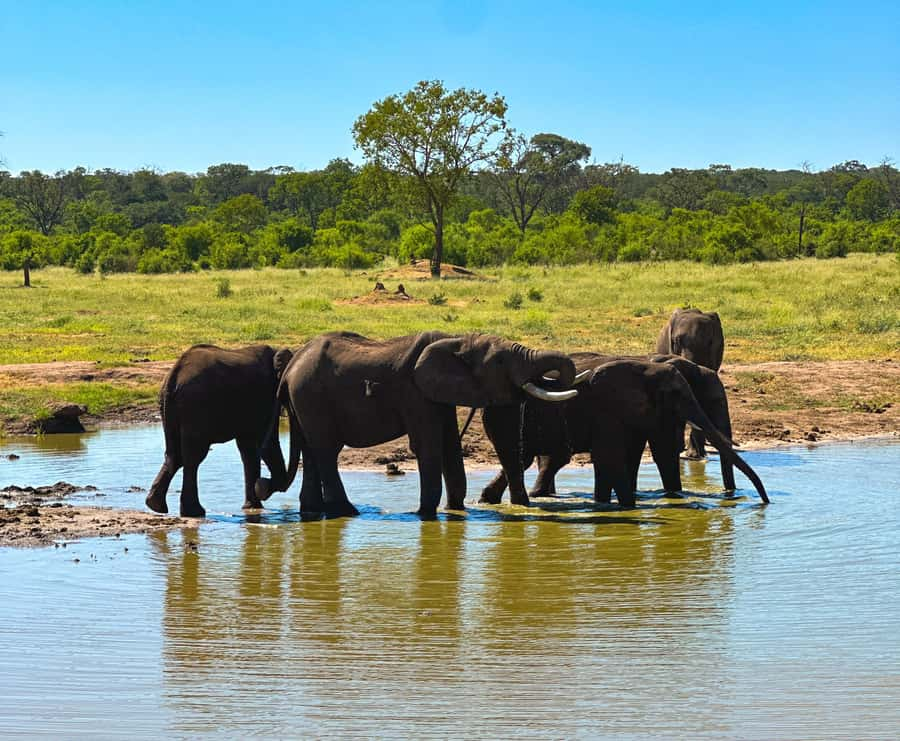
Elephant tourism deserves careful questions. Is the animal’s welfare placed ahead of entertainment? Can the elephant choose distance or rest? Are the animals kept in a social group? Does the program support wider conservation work?
EleCREW says it is audited for welfare and management and has Our Elephants Thrive compliance. That does not mean you should stop asking questions, but it gives the experience a clearer welfare framework than a simple ride or performance.
The program also says it does not center on tricks or shows. The activities described are learning, observing, walking, introductions, and photography with the elephants and carers. The herd is presented as a social group with a history, not as a collection of props.
There is still an unavoidable ethical limit. You are visiting elephants that live under human care, and their close relationship with people is part of why they cannot all return to the wild. That is not a reason to reject the program automatically. It is a reason to understand what you are seeing.
I would book this for someone who wants to support a rescue and education project while learning how difficult elephant conservation can be. I would not book it for someone who wants a completely wild, unpredictable animal encounter or feels uncomfortable with any managed-animal experience.
Is $148 a fair price?
At $148 per person, this is not a budget add-on. The price includes transport from Victoria Falls, a two-hour program at Jafuta Lodge, the educational presentation, safety briefing, elephant interaction, photo opportunity, and refreshments.
The value depends on what you want. If you count only minutes beside an elephant, the price may feel high. If you include the carers’ work, the nonprofit mission, the educational content, and the direct support for conservation projects, it becomes easier to understand.
I see this as a specialist experience rather than a general sightseeing tour. You are paying for access to an organized welfare program and for a guided explanation of elephant-human conflict. The short transfer and modest time commitment also help if your Victoria Falls schedule is full.
The strongest value is for people who would otherwise book a generic elephant encounter without knowing how the animals were obtained or how they are cared for. Here, those questions are part of the visit.
Who should book this experience?
I would recommend it to:
- Families with children old enough to listen carefully to safety instructions
- Visitors who want a conservation activity close to Victoria Falls
- First-time elephant watchers who want help interpreting behavior
- People interested in animal welfare, rescue, and community conservation
- Anyone who prefers a focused two-and-a-half-hour outing over a long safari drive
You may want to skip it if you want a large national park safari, a completely wild encounter, or a low-cost activity. You should also consider the children’s rule: those under 10 can interact but cannot take part in the walk.
English is the stated tour language, and a live guide leads the program. If you need another language, this activity may not suit you.
Practical details before you book
The experience lasts about 2.5 hours from pickup to return. The route begins in Victoria Falls, includes a transfer to Jafuta Lodge, and returns to town afterward.
Morning and afternoon departures differ slightly in refreshments. Choose the time that fits your schedule and preferences, especially if you want alcoholic drinks and bar snacks in the afternoon or tea, coffee, and a muffin in the morning.
You can cancel up to 24 hours before the activity for a full refund. A reserve-now, pay-later option is also available, which is useful when your Victoria Falls plans are still changing.
The provider is Shearwater Victoria Falls, while EleCREW delivers the conservation and elephant-focused program. Donations to EleCREW are welcome onsite and online, but they are separate from the listed admission price.
Should you book EleCREW?
Book it if you want more than a photograph. The best reason to go is the combination of close contact, serious welfare standards, and a clear explanation of why elephants and people sometimes struggle to share the same space.
You will not get a wild safari in miniature. You will meet a rescued ambassador herd in a managed reserve, learn about the animals’ difficult histories, and watch them live together as peacefully as possible. For many visitors to Victoria Falls, that makes this a thoughtful counterpoint to the area’s bigger, louder adventures.
If you value ethical care, practical conservation, and time to observe rather than rush, the $148 price can be justified. If your priority is a fully wild encounter, spend the money on a national park activity instead.
FAQ
Where does the elephant experience take place?
The experience takes place at Jafuta Lodge in a private game reserve in Matabeleland North, Zimbabwe, about a short drive from Victoria Falls.
How long does the activity last?
The full activity lasts about 2.5 hours, including transport from Victoria Falls and the visit at Jafuta Lodge.
How long is the transfer from Victoria Falls?
The transfer is described as approximately 15 minutes each way in the itinerary and about 25 minutes from Victoria Falls town center in the transfer information.
What will I do at Jafuta Lodge?
You will take part in a safety briefing, meet the experienced carers and ambassador elephants, join the educational program, walk if eligible, and watch the herd near the waterhole.
What will I learn about elephants?
The program covers elephant senses, intelligence, emotions, social structure, behavior, welfare, and the challenges of elephant-human conflict.
Are the elephants wild?
The elephants are an ambassador herd living in a managed private reserve. They were rescued or brought into care because of circumstances including poaching, drought, culling risk, or long-term human contact.
Can children under 10 take part?
Children under 10 can take part in the interaction, but they cannot join the walk.
What refreshments are included?
Morning visits include tea, coffee, soft drinks, water, and a muffin. Afternoon visits include alcoholic drinks, soft drinks, water, and bar snacks.
Is the tour offered in English?
Yes. The activity includes a live English-speaking guide.
Can I cancel or pay later?
You can cancel up to 24 hours in advance for a full refund. A reserve-now, pay-later option is also available.
Just added around Victoria Falls
- Zimbabwe: Sundowner Cruise (Standard) Zambezi River★ 4.8 · 5 reviews
- Zambezi River: Kid-Friendly Whitewater Rafting★ 5.0 · 3 reviews
- Zambezi 3hr Game Drive★ 4.6 · 5 reviews
- Victoria Falls Village Cultural Tour – Authentic Experience★ 5.0 · 3 reviews
- Zambezi National Park Private Wildlife Safari (4 – 10 hours)★ 4.9 · 9 reviews
- Victoria Falls: Whitewater Rafting Experience★ 4.5 · 4 reviews
- Victoria Falls: Zambezi River White Water Rafting Experience★ 5.0 · 7 reviews
- Victoria Falls: Vulture Safari and Bush Walk★ 5.0 · 5 reviews
Wildlife Encounters, compared.
Lion & Wildlife Sanctuary Excursion Victoria Falls
Read our review →
Baobab-Sunrise-Sunset-Vulture-Moonlight Safaris, 4 Options
Read our review →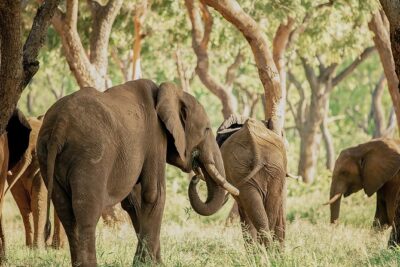
Browse the lists this tour appears in