
Reviewed · HARARE TOURS
HARARE CITY TOUR ADVENTURES !!
Harare’s story comes together through places that are far apart in character: Balancing Rocks, the solemn National Heroes Acre, energetic Mbare, and the old central-city buildings. This private tour gives you a useful mix of Zimbabwean history, daily life, art, and sightseeing rather than showing you only the polished center.
I like the flexible private format, especially because Sir Lance can adjust the pace and add time instead of pushing you from stop to stop. I also like the personal touch before pickup. Sir Lance kept in contact with Barbara, arrived on time, and adapted the day to suit her interests. The main caution is timing: one booking finished by 2:30 p.m. after a long lunch, so confirm the exact schedule if you need the full seven hours.
Key points to know before booking
- Balancing Rocks gives the tour a memorable start, with unusual stone formations, photo stops, and an explanation of their place in Zimbabwean identity.
- Mbare offers a closer look at everyday Harare, including local markets, street activity, music, art, and political history.
- National Heroes Acre adds serious historical weight, with monuments and burial places linked to the liberation struggle.
- Sir Lance provides a private, adaptable day, with hotel pickup, transport, and the option to spend longer at places that interest you.
- Lunch is not included, although refreshments and a visit to a local traditional restaurant are part of the experience.
- Expect some walking and short hikes, so comfortable shoes matter more than smart clothes.
Why this Harare tour works as a first introduction
Harare can be difficult to understand from a car window. Its broad streets, civic buildings, suburbs, markets, and monuments each tell a different part of the story. This tour brings those pieces together in one day, with a guide explaining how the capital has changed from colonial planning through independence and into modern Zimbabwe.
The price is $150 per person. That is not a bargain-basement city excursion, but it includes private transportation, hotel pickup and drop-off, entry to Balancing Rocks Park and National Heroes Acre, refreshments, and a stop at a local traditional restaurant. For someone with only a short stay in Harare, the value comes from fitting several widely separated places into one organized day.
I would think of this as a history and city-life tour, not simply a drive past famous buildings. You get natural scenery, national memory, township culture, art, architecture, and time for shopping. That range is the strongest reason to choose it.
The tour is conducted in English. Pickup is available from the Holiday Inn Harare, Rainbow Towers Hotel and Conference Centre, and The Meikles Hotel. You meet the guide in the lobby, where Sir Lance will either hold a placard or contact you directly by phone.
More things to do in Harare:
- Harare City Tour & Zimbabwe Highlights
★ 3.5 · 14 reviews - Great Zimbabwe Tour from Harare
★ 5.0 · 6 reviews - Harare: Half Day Outdoor Adventure
★ 4.8 · 5 reviews
Starting at the Balancing Rocks
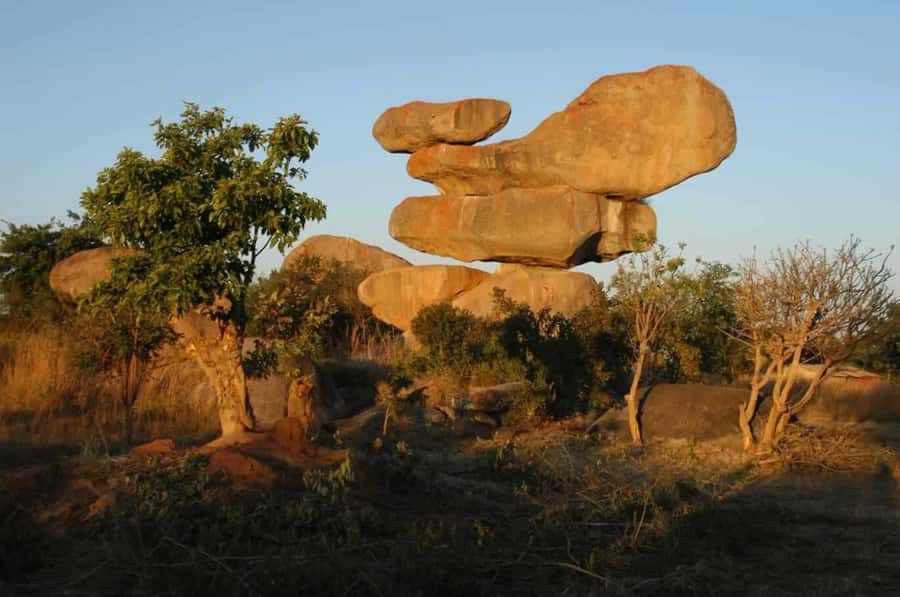
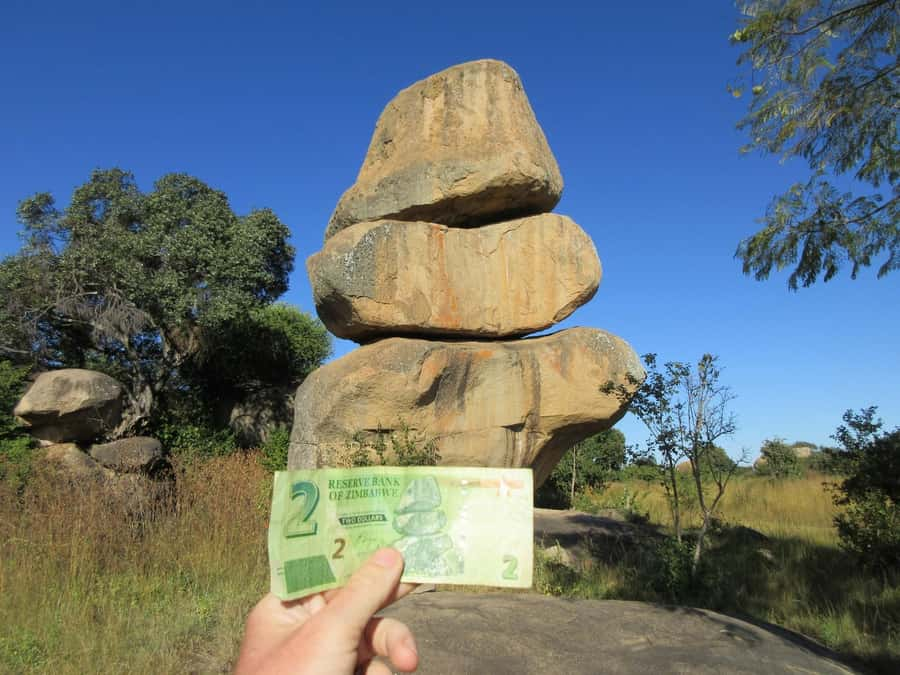
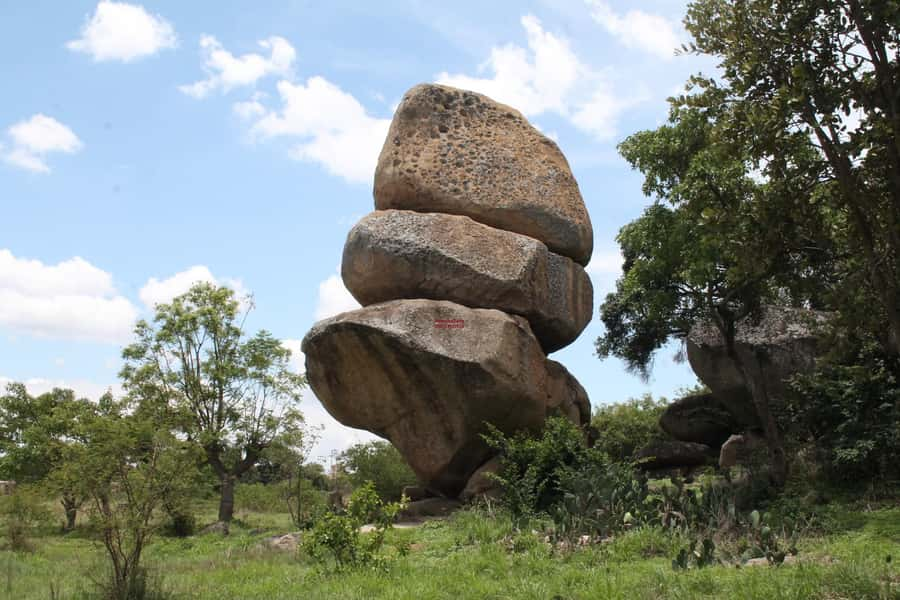
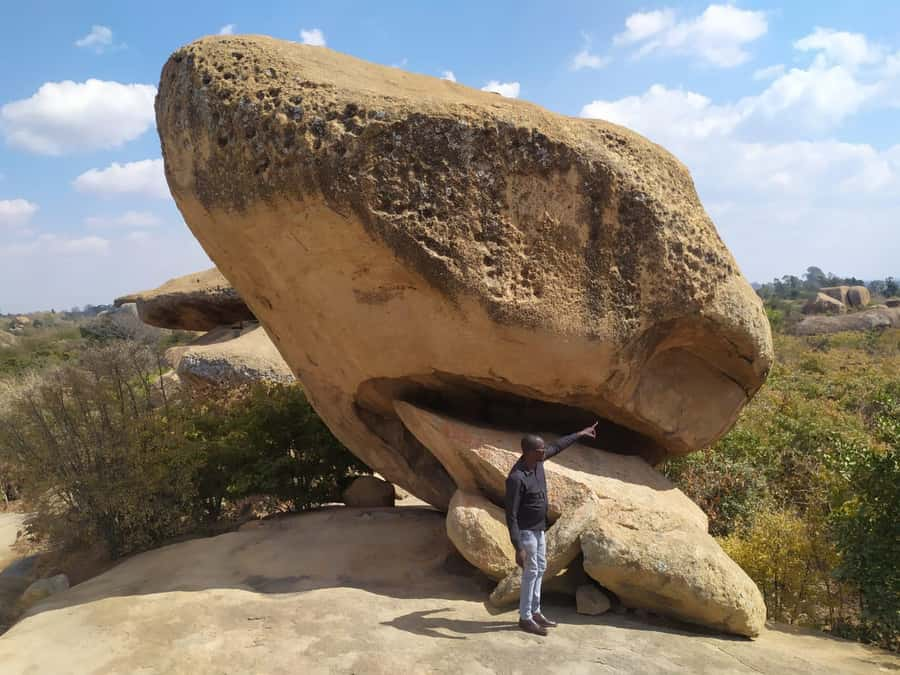
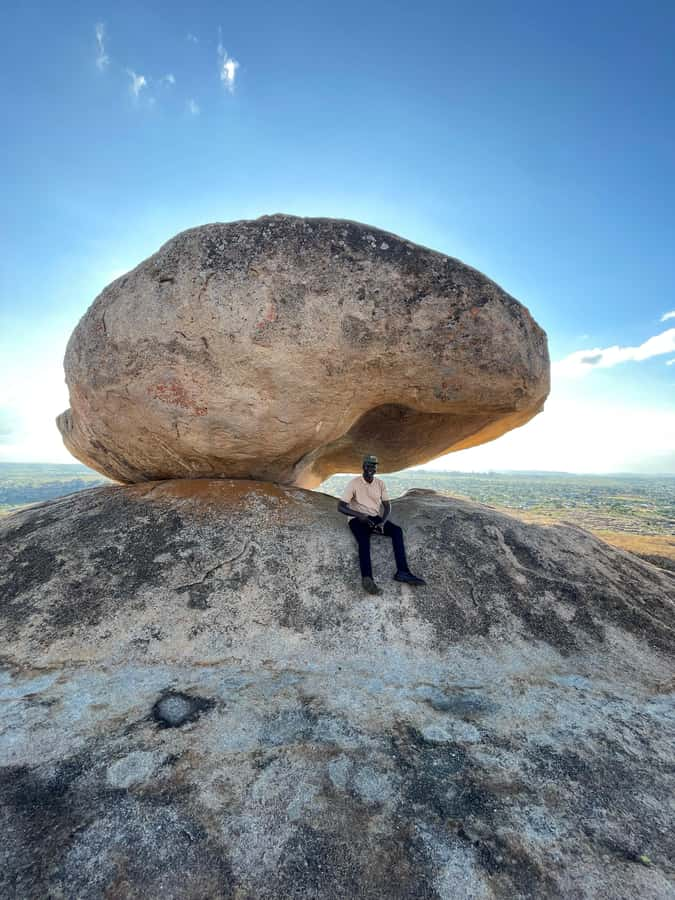
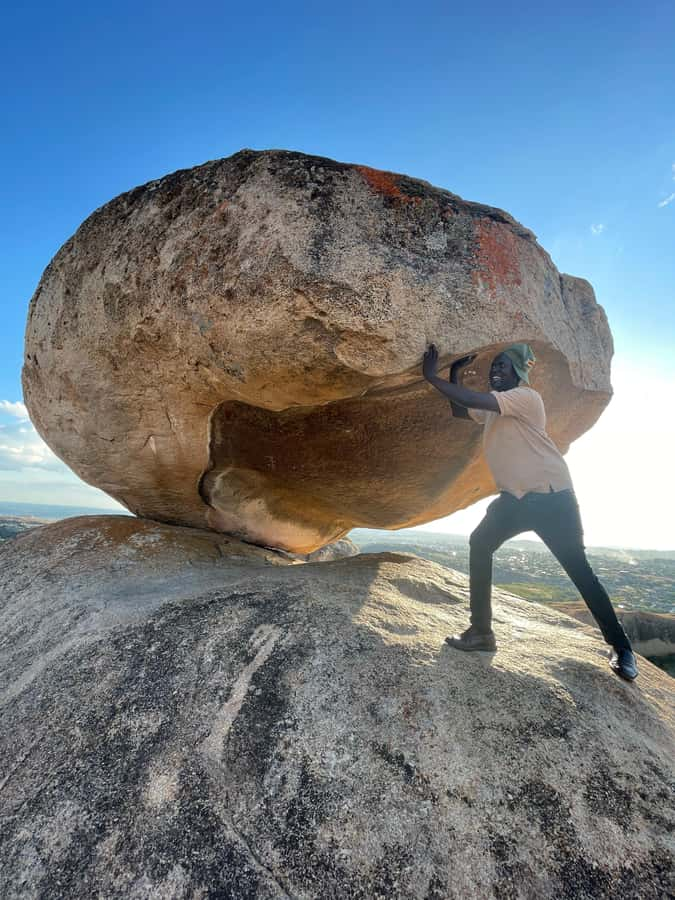
Balancing Rocks Park is a smart first stop because it immediately shows you something that photographs often fail to explain. The formations are made of large rocks arranged in seemingly unstable positions, shaped by natural geological forces over millions of years.
The formations are also tied to Zimbabwe’s national image. Balancing rocks appear on national currency and have become a familiar symbol of strength and endurance. Your guide explains both the physical formation and the cultural meaning, giving you more than a quick photo stop.
Bring your camera. The rocks provide clear photography opportunities, and the setting gives you a change from central Harare’s streets and buildings. You may also get scenic views across the surrounding area.
The practical point is footwear. The tour includes a little hiking, and the rocks are not a place for high heels or stiff city shoes. Comfortable walking shoes or hiking shoes are the better choice. Anyone with back problems should think carefully before booking, since the activity is not designed for people with mobility limitations.
Reading Harare through Mbare
Mbare is one of the most important parts of the day if you want to see how Harare works beyond its formal center. It is the city’s oldest high-density suburb, with a long role in Zimbabwean music, art, politics, and ordinary working life.
The experience here is described as a drive through the suburb, with time at local markets and a chance to observe daily activity. That means you should expect an urban community visit rather than a staged cultural show. The value lies in the guide’s explanation of what you are seeing, including how Mbare helped shape the city’s identity.
Mbare can also be the least predictable part of the itinerary. Markets and streets are active, and the experience may feel more crowded and less polished than central Harare. That is part of its purpose, but you should arrive with patience and respect. Listen to local guidance about photography and avoid treating people’s daily routines as a backdrop.
The two-hour shopping, sightseeing, and arts-and-crafts market period gives you room to browse. You might find locally made crafts and artwork, but the exact shopping experience can vary. Carry some cash if you want to buy something, and remember that lunch is paid separately.
National Heroes Acre and Zimbabwe’s independence story
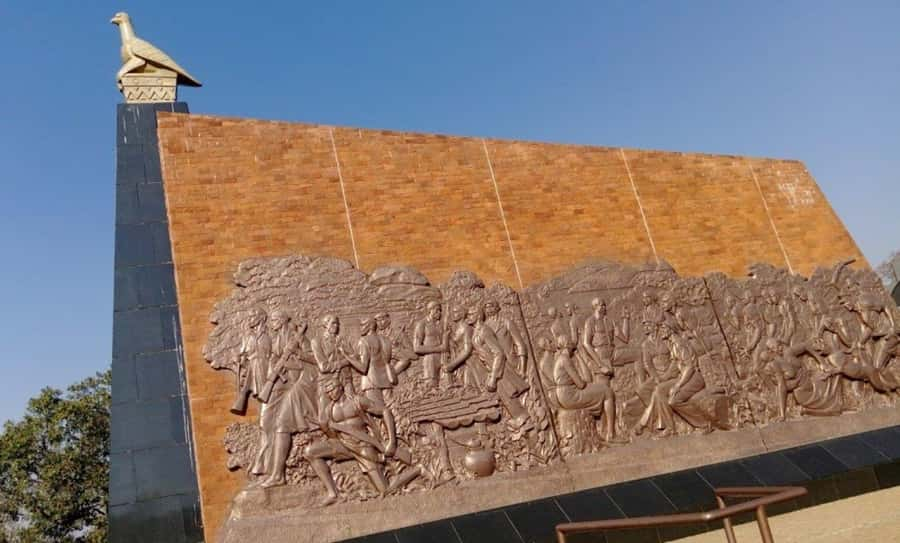
National Heroes Acre is the most solemn stop on the route. This national shrine honors heroes and heroines of Zimbabwe’s liberation struggle, and the monuments carry strong political and historical meaning.
A guide is especially useful here. The scale and symbolism of the site can be difficult to interpret without context. You learn about the struggle for independence, the people honored there, and the ideas expressed through the monument.
The site also offers broad views over Harare. That gives you a visual pause after the more serious historical discussion, but the main reason to visit is not scenery. It is the chance to understand how Zimbabwe remembers the people who fought for independence.
Allow time for the tone of this stop. It is not a quick attraction to tick off. Dress comfortably and respectfully, and be prepared for walking around the grounds. Entry is included in the tour price.
A few more Zimbabwe days to weigh up
- All Inclusive Bulawayo City and Township Tour
★ 5.0 · 5 reviews
Old buildings and the central city

The central-city portion shifts the focus from national history to architecture and urban development. The route includes the Cathedral Church, the National Gallery of Zimbabwe, a Shona sculpture art gallery, an Anglican church, and older historic structures in the center.
These stops help you read Harare as a city built in layers. Your guide discusses colonial-era planning, the changes that followed independence, and the growth of a modern African capital. The buildings are not presented as isolated monuments. They are connected to the city’s changing civic life.
The National Gallery and Shona sculpture stop add an artistic side to the day. Shona sculpture is an important part of Zimbabwe’s art scene, and seeing it alongside civic and religious buildings gives you a wider view of local culture. The information provided does not promise a particular exhibition or collection, so the exact displays may change.
This part of the tour is also useful for visitors who have already seen natural attractions outside Harare. It gives you a better sense of the capital itself, including its public institutions, old structures, and central streets.
A local restaurant and time to shop
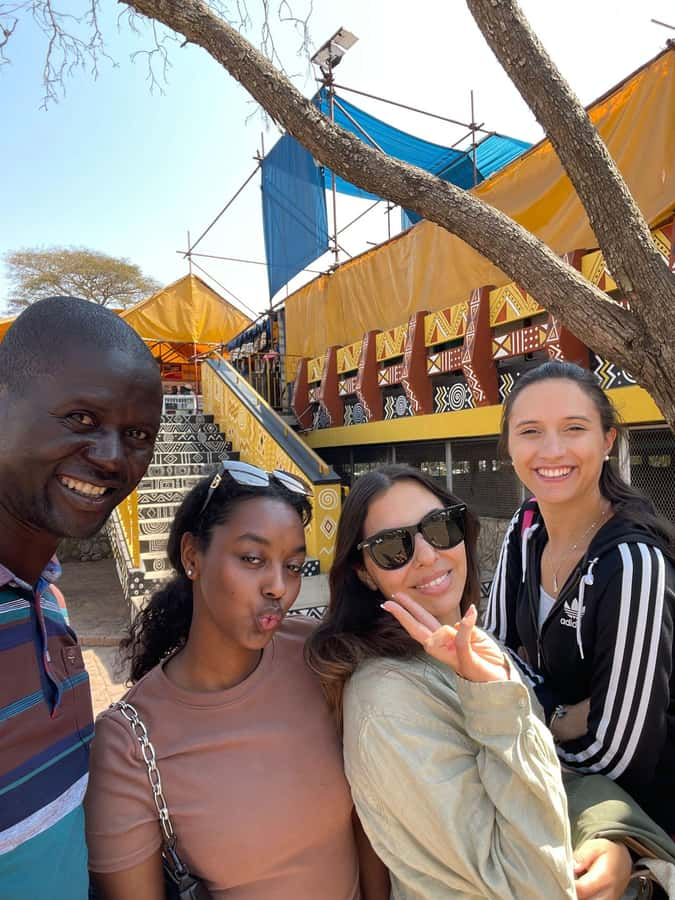
Refreshments are included, and the tour includes a visit to a local traditional restaurant. This adds a practical cultural element to the day, although your main lunch is not included in the $150 price.
Budget separately for lunch and carry cash. The supplied information does not specify a fixed menu or lunch cost, so ask the guide what is available and how long the meal will take. This matters because a long lunch can shorten the sightseeing portion. One booking returned to the hotel around 2:30 p.m. after a lengthy meal, despite the advertised seven-hour duration.
The arts-and-crafts market visit is listed as lasting about two hours. That is generous if you want to browse carefully, compare prices, or look for a meaningful piece of Zimbabwean art. It may feel long if shopping is not your priority, but the private format should make it easier to adjust the pace.
I would use this time for local purchases rather than trying to fit in rushed shopping at the end. If you find something you want, ask about packing and transport before buying a large item.
The private format and guide style
Sir Lance is the named guide and the main reason this experience feels more personal than a standard city bus route. He contacts you before pickup, confirms the meeting point, and adjusts the day to match your interests.
That flexibility matters in Harare. You may care more about liberation history than shopping, or prefer architecture and art to a long market visit. A private guide can spend more time where you have questions and move on when a stop has given you enough.
The tour is described as operating to international-level private guiding standards, but the practical benefit is easier to assess: you receive door-to-door transport, an English-speaking guide, and a schedule that is not locked to a large group. The guide was praised for being punctual, friendly, funny, and well informed about Harare. Those qualities make a difference during a seven-hour city tour, where a dry commentary can make even good stops feel flat.
There is no stated group-size limit in the information provided. Since the tour is private, ask how many people your booking accommodates if that affects your decision.
How the seven-hour schedule fits together
The day is built from several guided sections rather than one continuous walking tour. The listed timing includes about one hour in Harare Province, 40 minutes in Harare, another hour of guided touring, and roughly two hours for shopping, sightseeing, and the arts-and-crafts market.
In practice, you should expect driving between stops, time for entry, photo breaks, refreshments, and lunch. That is why the day can feel shorter or longer depending on how much time you spend at meals and markets.
The flexible timing is a benefit, but it also creates one thing you should confirm before departure: the exact start time and order of stops. The tour offers several pickup locations, and the advertised seven hours may not always translate into seven full hours of sightseeing. If you have a flight, meeting, or evening reservation, leave plenty of room.
Pickup and drop-off are available at the Holiday Inn Harare, The Meikles Hotel, and Rainbow Towers Hotel and Conference Centre. Transportation is included, which is useful because the attractions are spread across different parts of the city.
What to bring and what to expect on foot
Pack light but sensibly. Comfortable clothes, a hat, a camera, water or room for refreshments, and cash are all useful. Comfortable shoes are essential because the tour includes some walking and a little hiking.
High heels are specifically unsuitable. Drones are not allowed, and smoking in the vehicle, littering, making fires, fireworks, explosives, nudity, and bare feet are prohibited. Crutches are also listed among items or conditions not permitted, so contact the provider before booking if you rely on mobility equipment.
The tour is not suitable for wheelchair users, people with back problems, or people over 95 years old. These limits are important because the day combines vehicle transfers with walking at outdoor sites and monuments.
The experience is best for couples, families with mobile older children, solo visitors, diplomats, researchers, and local residents who want a structured look at the capital. It is less suitable if you want a purely relaxed drive or a fully accessible route.
Is $150 a fair price?
For a private seven-hour tour, $150 per person is reasonable if you use the included elements. You are paying for transport, hotel pickup and drop-off, an English-speaking guide, entry to two paid sites, refreshments, and a full route through several parts of Harare.
The value is strongest for first-time visitors with limited time. Organizing Balancing Rocks, Mbare, Heroes Acre, historic buildings, galleries, and market time independently could take more planning and local transport. You also lose the guide’s explanations, which are central to understanding the monuments and neighborhoods.
The value is weaker if you only want a short city drive, dislike shopping, or plan to spend most of the day at one museum. Lunch is extra, and the final schedule may be shorter than seven hours if the meal runs long, so those points should be part of your calculation.
Free cancellation is available up to 24 hours before the tour, and you can reserve now and pay later. Those options are useful if your Harare plans are still changing.
Should you book the Harare City Tour?
Book it if you want one well-organized day covering Harare’s history, art, neighborhoods, and landmarks, and you value a private guide who can adjust the pace. Sir Lance’s punctual communication, friendly manner, and ability to tailor the day are strong reasons to choose this format.
Think twice if you need wheelchair access, have back problems, dislike walking, or require a guaranteed seven full hours of sightseeing. Also confirm the lunch plan and timing before you go.
For most first-time visitors staying in Harare, I would choose this tour because it gives you more than a quick look at the center. You see the national symbols, the liberation story, the older city, the art scene, and the daily life of Mbare in one practical package. Bring good shoes, keep cash for lunch and shopping, and let the guide know which parts of Harare matter most to you.
FAQ
How long is the Harare City Tour?
The tour is advertised as seven hours, including guided sightseeing, transportation, market time, refreshments, and lunch arrangements. The exact sightseeing time can vary, so confirm the schedule if you have plans afterward.
What places are included?
The route includes Balancing Rocks, Mbare, National Heroes Acre, historic central-city buildings, the Cathedral Church, the National Gallery of Zimbabwe, an Anglican church, a Shona sculpture art gallery, and an arts-and-crafts market.
Is transportation included?
Yes. Pickup and drop-off are included from the Holiday Inn Harare, Rainbow Towers Hotel and Conference Centre, and The Meikles Hotel.
Is lunch included in the price?
No. Lunch is paid separately. Refreshments and a visit to a local traditional restaurant are included.
What language does the guide speak?
The live guided tour is conducted in English.
Is the tour suitable for wheelchair users?
No. The tour is not suitable for wheelchair users, people with back problems, or people over 95 years old. It also includes some walking and a little hiking.
Just added around Zimbabwe
- Zimbabwe: Sundowner Cruise (Standard) Zambezi River★ 4.8 · 5 reviews
- Zambezi River: Kid-Friendly Whitewater Rafting★ 5.0 · 3 reviews
- Zambezi 3hr Game Drive★ 4.6 · 5 reviews
- Victoria Falls Village Cultural Tour – Authentic Experience★ 5.0 · 3 reviews
- Zambezi National Park Private Wildlife Safari (4 – 10 hours)★ 4.9 · 9 reviews
- Victoria Falls: Whitewater Rafting Experience★ 4.5 · 4 reviews
- Victoria Falls: Zambezi River White Water Rafting Experience★ 5.0 · 7 reviews
- Victoria Falls: Village Life Experience★ 4.7 · 6 reviews
Harare Tours, compared.
MASVINGO; GREAT ZIMBABWE MONUMENT TOUR – FROM HARARE
Read our review →
Victoria Falls and Harare Airport Transfers and Car Rentals
Read our review →Browse the lists this tour appears in